

Next in the series:
Previous: Pricing Your Catskills Vacation Property — What’s Actually Complicated
Next in the series: Marketing Your Catskills Vacation Property — Reaching the Right Buyers
Part of the Catskill Seller’s Guide — a resource for owners thinking about what comes next.
Catskills Seller Disclosures
What You Need to Know Before You List
Selling real estate anywhere in New York comes with disclosure obligations. Selling in the Catskills—particularly in the western counties of Delaware, Schoharie, Ulster, Greene, and Otsego—adds another layer of region‑specific considerations that most sellers haven’t encountered before. Getting in front of those issues isn’t just good form; it’s essential to a smooth, credible transaction.
What follows isn’t legal advice—your attorney is the authority there. It is a straightforward overview of the disclosure landscape Catskills vacation home sellers actually navigate, so you’re not hearing about these topics for the first time when a buyer’s lawyer puts them on the table.
New York State Seller’s Disclosure
New York State requires most sellers of residential property to complete a Property Condition Disclosure Statement—a standardized form that addresses the physical condition of the home, known defects, and a range of other material facts. If you have any questions about how to complete it, your attorney is your primary resource. There are limited situations where the state waives this requirement—for example, certain estate sales—but for typical arms‑length transactions, you should expect to provide it.
The form asks about items such as the age and condition of major systems (roof, heating, plumbing, electrical), any known water or moisture issues, any history of environmental contamination, and whether the property has been involved in prior legal disputes. Completing it accurately and thoroughly—with input from your agent and attorney—helps protect you from post‑closing surprises and supports a more defensible, transparent sale.
NYC DEP Watershed Restrictions
This is the disclosure issue most unique to the Catskills—and the one that catches many sellers off guard.
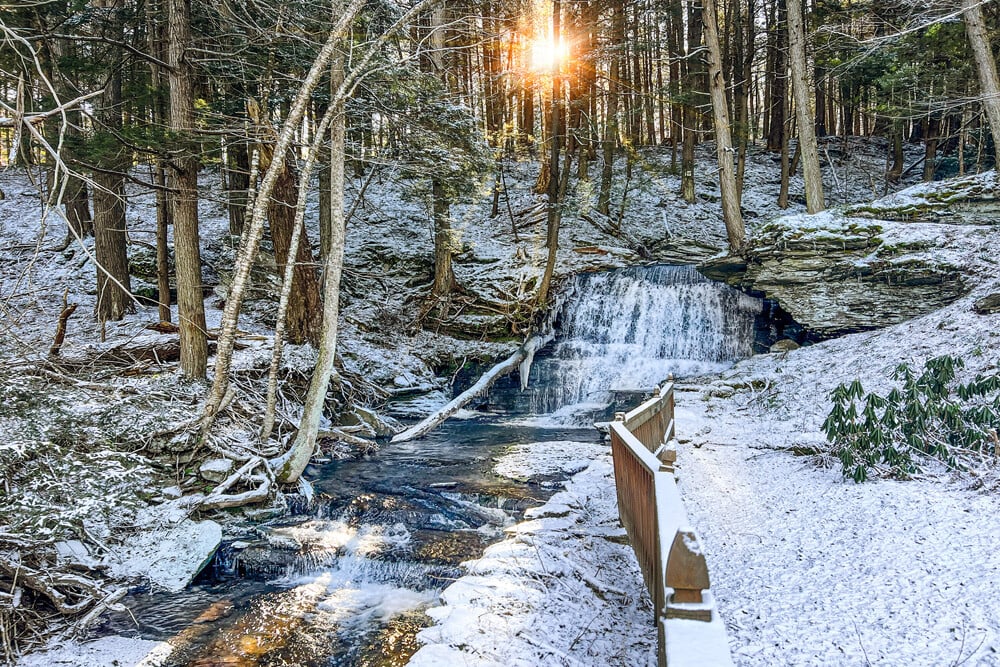
A substantial portion of the western Catskills lies within the New York City watershed: the network of reservoirs and protected lands that supply drinking water to NYC. Properties inside this area are subject to regulations enforced by the NYC Department of Environmental Protection (DEP), and those rules can meaningfully shape what an owner may do with the land over time.
Restrictions can touch on: construction and renovation within set distances of streams, wetlands, and reservoir tributaries; septic system design, capacity, and repairs; limits on impervious surfaces; and certain agricultural or commercial uses. The exact requirements depend on where your property sits within the watershed and which regulatory tier applies.
For buyers, these constraints are material; they affect what the property can become, not just what it is today. Sellers are expected to disclose known watershed‑related limitations, and buyers’ attorneys in Catskills deals routinely ask about them. Being prepared with accurate information—and ideally supporting documentation—is part of presenting your property professionally and avoiding last‑minute surprises in attorney review.
If you’re unsure whether your property is in the watershed, or what rules apply, your attorney can advise, and the NYC DEP provides resources specifically for property owners in the regulated area.
Conservation Easements
Some Catskills properties—especially larger parcels and those with notable natural features—are subject to conservation easements. A conservation easement is a legal agreement between a landowner and a land trust or government entity that permanently limits certain types of development or use in service of conservation goals, often in exchange for tax benefits when the easement is created.
If your property is encumbered by a conservation easement, it must be disclosed. The easement “runs with the land,” meaning it binds every future owner, whether or not they signed the original agreement. Buyers need a clear picture of what the easement allows and what it prohibits before they commit.
Easements vary significantly in scope. Some simply restrict subdivision while allowing typical residential use and modest new construction. Others go further, capping impervious surfaces, limiting agricultural activity, or sharply restricting where (or whether) additional structures can be built. The specific language in your easement—and the identity of the organization that holds it—are material facts a buyer’s attorney will review closely.
For many buyers, a conservation easement is not a negative at all; it can be a selling point, providing confidence that surrounding land will remain protected. The key is transparency. The easement should be disclosed accurately and early in the process, with the full document readily available for review.
Septic Systems and Well Water
Most Catskills vacation homes are not on municipal water and sewer; they rely on private wells and septic systems. Both are central to day‑to‑day living—and both are disclosure and, in many cases, inspection items in a typical sale.
Septic systems: As a seller, you’re expected to disclose the age, type, and known condition of your septic system. In Delaware County and neighboring areas, buyers routinely include a septic inspection in their due diligence, and lenders may require it for financed purchases. If your system is older, undersized for the number of bedrooms, or has had prior issues, that’s information a buyer needs and an attorney will probe. Proactively addressing septic condition—including a pre‑listing inspection when appropriate—is often part of the preparation plan we recommend.
Well water: Similarly, water quality and quantity are standard checkpoints in Catskills transactions. Buyers typically order a water test that covers potability, flow rate, and, in some cases, contaminants of local concern. If you have prior water test results, it’s helpful to have them organized and available. If not, a pre‑listing test can give you—and prospective buyers—a clear, confidence‑building snapshot of your system.
Short-Term Rental Zoning
If your property has operated as a short‑term rental—or if you plan to market its STR potential—zoning is a material part of your disclosure picture.
Short‑term rental rules vary widely across Catskills towns, and they’ve evolved quickly. In recent years, some municipalities have introduced permit requirements, caps on STR density, or outright restrictions. What was allowed when you first listed on Airbnb may now be governed by a different set of rules. And what’s permitted in your town may be tightly limited—or prohibited—in the next one over.
Sellers who have hosted STRs should be prepared to document whether the use is permitted under current zoning, whether required permits or registrations are in place, and whether the property is compliant with applicable regulations. Buyers who intend to continue STR use will scrutinize this closely, and so will their attorneys.
Marketing STR income or “potential” without a solid zoning foundation creates disclosure risk. We work with sellers to clarify this upfront and present it accurately, so it supports your value story instead of becoming a problem in contract or attorney review.
Getting Ahead of It
The smoothest Catskills transactions usually belong to sellers who come in informed and prepared—not to those meeting these issues for the first time in attorney review, with a signed contract and a ticking clock.
A core part of our role is helping you understand the disclosure landscape for your specific property before you hit the market, so a deal that should close cleanly isn’t derailed by something that could have been anticipated on day one.
Part of the Catskill Seller’s Guide — a resource for owners thinking about what comes next.
Previous: Pricing Your Catskills Vacation Property — What’s Actually Complicated
Next in the series: Marketing Your Catskills Vacation Property — Reaching the Right Buyers
Thinking About Selling?
If you’re thinking about selling, the best first step is a conversation. We’ll give you an honest read on where your property stands in today’s market — no pressure, no obligation, just clarity.